
When to Give Up: Recognizing the Signs and Letting Go
The persistent pursuit of a goal is often lauded as a virtue. We’re told to persevere, to push through challenges, and to never give up. But this unwavering dedication, while admirable in many contexts, can sometimes become detrimental. Knowing when to relinquish a pursuit, whether it's a career path, a personal relationship, or a creative project, is a crucial skill for maintaining well-being and achieving long-term success. It's not about failure; it's about recognizing when your energy and resources are better invested elsewhere. This article explores the subtle yet significant signs that indicate it might be time to let go.
Recognizing the Warning Signs
Identifying the point where persistence transforms into stubbornness requires honest self-reflection. Don't mistake temporary setbacks for insurmountable obstacles. True signs of needing to give up are persistent, pervasive, and deeply impact your overall quality of life. They are not fleeting feelings of frustration but rather a consistent pattern of negativity and stagnation.
Persistent Negative Emotions
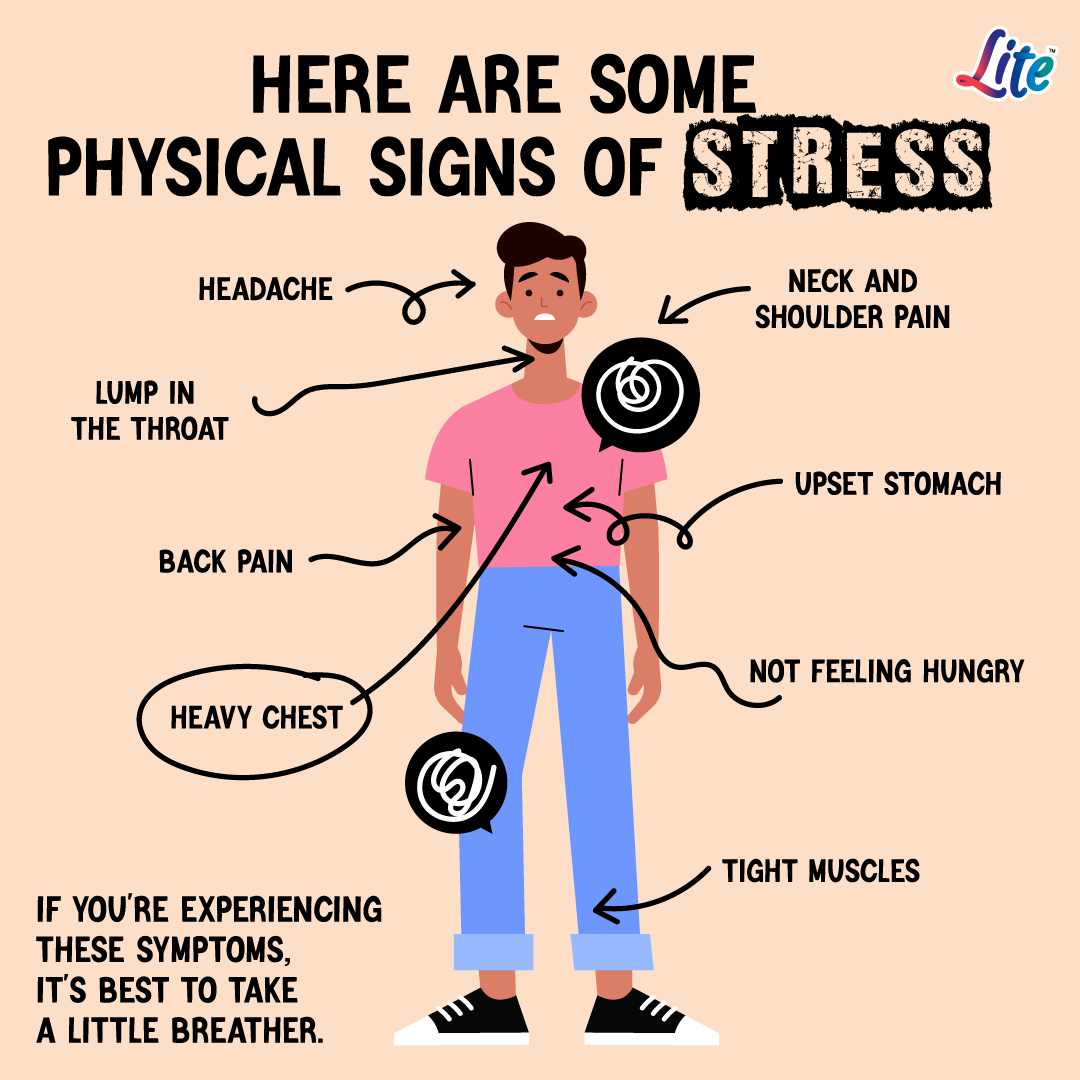
If the pursuit consistently evokes overwhelming feelings of anxiety, depression, or resentment, it's a serious red flag. This isn't the healthy stress of a challenge; it's a toxic drain on your emotional well-being. You might find yourself dreading the tasks associated with the goal, experiencing a persistent sense of dread, or feeling a consistent low-level unhappiness tied directly to the endeavor. These intense negative emotions signify a deeper incompatibility between your current path and your overall happiness.
Stagnation and Lack of Progress
Genuine progress, even if slow, is a source of motivation. If you’ve been putting in significant effort for an extended period without seeing any measurable improvement or achieving any milestones, it's crucial to reassess. This doesn't mean minor setbacks should prompt immediate surrender; rather, it's about recognizing a prolonged period of stagnation where strategies have been adjusted, obstacles overcome, yet the desired outcome remains elusive. This persistent lack of progress often signals a deeper systemic issue, suggesting a need for a complete reevaluation of the approach or the goal itself.
Significant Negative Impact on Other Areas of Life
A healthy pursuit shouldn't compromise other vital aspects of your life. If your relentless focus on a single goal leads to neglecting your health, relationships, or other responsibilities, it's time to re-evaluate priorities. Are you sacrificing sleep, meals, or social interactions? Are you neglecting your physical or mental health? Are your relationships suffering from your overwhelming commitment? These are all clear indicators that the cost of pursuing the goal outweighs its potential benefits.
Strategies for Letting Go
Giving up isn't about defeat; it's a strategic retreat to conserve energy and resources for more fruitful endeavors. The process requires careful consideration and a proactive approach.
Acknowledge and Accept Your Feelings
Allow yourself to feel the emotions that accompany this decision. Don't suppress the disappointment or frustration. Acknowledge these feelings, process them, and allow yourself time to grieve the loss of the goal. This process of acceptance is crucial for moving on constructively and avoiding lingering resentment.
Reframe Your Perspective
Instead of viewing it as a failure, consider the experience a learning opportunity. What did you learn from this pursuit? What skills did you gain? What insights did you develop? By reframing your perspective, you can extract valuable lessons and apply them to future endeavors. This process of self-reflection can lead to personal growth and greater self-awareness.
Identify Alternative Paths
Letting go of one goal opens the door to explore other possibilities. Identify your strengths, interests, and passions. What other avenues align with your values and capabilities? Brainstorm potential alternatives and assess their feasibility. Focus on setting new, realistic goals that are in line with your overall well-being and potential for success. Perhaps the initial goal was simply not the right fit for your current situation.
Ultimately, knowing when to give up is an act of self-compassion and strategic wisdom. It's not a sign of weakness but a testament to your ability to prioritize your well-being and redirect your energy towards more fulfilling pursuits.


No comments:
Post a Comment
Note: Only a member of this blog may post a comment.